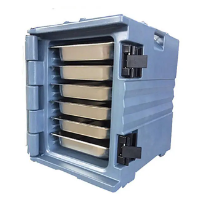
If you're someone who enjoys hot meals while on-the-go, then investing in an insulated food carrier can be a game-changer. These carriers are designed to keep your food warm and delicious, no matter where you are or how long you need to travel.
In this guide, we'll take a closer look at insulated food carriers and everything you need to know about them. From the different types of carriers available to their features and benefits, we'll cover it all.
Types of Insulated Food Carriers
Insulated food carriers come in a variety of shapes and sizes, but there are generally four main types:
Soft-sided coolers - these are typically made from materials like cloth or nylon and are great for carrying small to medium-sized meals.
Hard-sided coolers - these are made from durable materials like plastic or metal and are ideal for larger meals or longer trips.
Thermal bags - these are lightweight and portable and are often used to carry individual meals or snacks.
Insulated food jars - these are designed to keep liquids like soup or stew hot for several hours and are great for taking hot meals to work or school.
Features to Look For
When choosing an insulated food carrier, there are several features to consider:
- Insulation - make sure the carrier is well-insulated to keep your food at the desired temperature.
- Closure - look for a carrier with a secure closure to prevent heat loss.
- Capacity - choose a carrier that's the right size for your needs.
- Durability - opt for a carrier made from durable materials so it can withstand frequent use.
Benefits of Insulated Food Carriers
Insulated food carriers help to keep food at the desired temperature and freshness level, preventing spoilage and extending shelf life. They also facilitate safe transportation of hot or cold foods, which is crucial for maintaining food quality and ensuring food safety. Insulated food carriers are also portable and convenient, enabling people to take meals on-the-go and enjoy them wherever and whenever they want. Finally, using insulated food carriers can reduce food waste by preserving food quality and minimizing the need to discard spoiled or degraded food.
Why Use Insulated Food Carriers?
Insulated food carriers are designed to keep hot meals hot and cold meals cold. They come in various shapes and sizes, making them suitable for different types of food. From soup containers to lunch bags, there's an insulated carrier for almost every type of food.
Using insulated food carriers is not only convenient but also safer than using regular containers. Traditional food containers can crack or break with temperature changes, which can lead to spills and messes. Insulated food carriers keep your food secure and prevent any accidents from occurring.